
Where Biology Meets Machine Intelligence
We're building the next generation of bioinformatics tools. Real algorithmic challenges. Real genomic data. Real career paths in computational biology.
Explore Our Approach
Teaching Machines to Read Life's Code
Here's what makes bioinformatics different from typical data science work. You're not predicting user clicks or optimizing ad spend. You're helping computers understand patterns in DNA sequences that took nature billions of years to write.
Our program starts with the basics—what a genome actually is, how sequencing produces data, why alignment algorithms matter. Then we move into machine learning techniques that work specifically for biological data. Not generic models. Specialized architectures designed for sequence data, protein structures, and expression patterns.
Most students come from either biology backgrounds wanting computational skills, or computer science backgrounds wanting domain knowledge. Both groups struggle at first. That's normal. We spend the first month just getting everyone on the same page.
- Sequence alignment algorithms from scratch (Smith-Waterman, BLAST principles)
- Hidden Markov Models for gene prediction and protein families
- Neural architectures for genomic variant calling
- Graph neural networks for protein interaction mapping
- Handling real messy datasets from public repositories
Building Things That Actually Work In Research Labs and Biotech Companies
Look—there's a gap between academic bioinformatics and what industry needs. Universities teach you theory. Companies want tools that run on their infrastructure and integrate with their pipelines.
We focus on the practical middle ground. You'll write code that processes real datasets from NCBI, work with genome browsers like IGV, and understand why your algorithm needs to run in reasonable time when someone hands you a terabyte of sequencing data.
By month four, you're working on a capstone project. Some students analyze cancer genomics data. Others build predictive models for drug response. A few tackle protein structure prediction challenges. Your choice, but it has to produce something you can show potential employers.

What You'll Actually Learn
Six months. Four major modules. Dozens of datasets. And a lot of debugging sessions when your code can't handle chromosomal inversions.
Foundations
Molecular biology refresher for programmers. Python and R for data analysis. Understanding genomic file formats. Working with sequence databases. Basic statistics that matter in genomics.
Core Algorithms
Dynamic programming for alignment. Suffix trees and arrays. Assembly algorithms. Variant calling pipelines. Understanding how tools like BWA and GATK actually work under the hood.
Machine Learning
CNNs for genomic sequences. RNNs for time-series expression data. Transformers adapted for biological sequences. Graph neural networks for protein interactions. Proper validation in biological contexts.
Structural Biology
Protein structure prediction. Molecular docking simulations. Understanding AlphaFold's architecture. Working with PDB files. Modeling protein-ligand interactions for drug discovery applications.
Omics Integration
Combining genomics, transcriptomics, and proteomics data. Multi-modal learning approaches. Dealing with batch effects. Understanding when to use which data type for your biological question.
Production Systems
Building scalable pipelines. Working with cloud computing for genomics. Containerization with Docker. Workflow management with Nextflow or Snakemake. Making your code reproducible and maintainable.
Working With Protein Data
Proteins are where things get interesting. DNA tells you what could happen. Proteins are what actually happens. And their 3D structure determines everything—how enzymes catalyze reactions, how drugs bind to targets, how immune systems recognize pathogens.
We spend three weeks just on protein structure prediction and analysis. You'll work with structural databases, understand what makes AlphaFold revolutionary, and build your own simplified models. Not because you'll recreate DeepMind's work, but because understanding the underlying principles makes you better at using these tools.
Structure Prediction
From sequence to 3D coordinates. Understanding energy functions, constraint satisfaction, and deep learning approaches to the protein folding problem.
Docking Analysis
Predicting how small molecules bind to protein targets. Essential for drug discovery. You'll work with AutoDock and learn when predictions are reliable.
Interaction Networks
Proteins don't work alone. Building and analyzing protein-protein interaction networks. Graph algorithms applied to cellular signaling pathways.
Functional Annotation
Given a new protein sequence, what does it do? Combining sequence homology, structural comparison, and machine learning for function prediction.
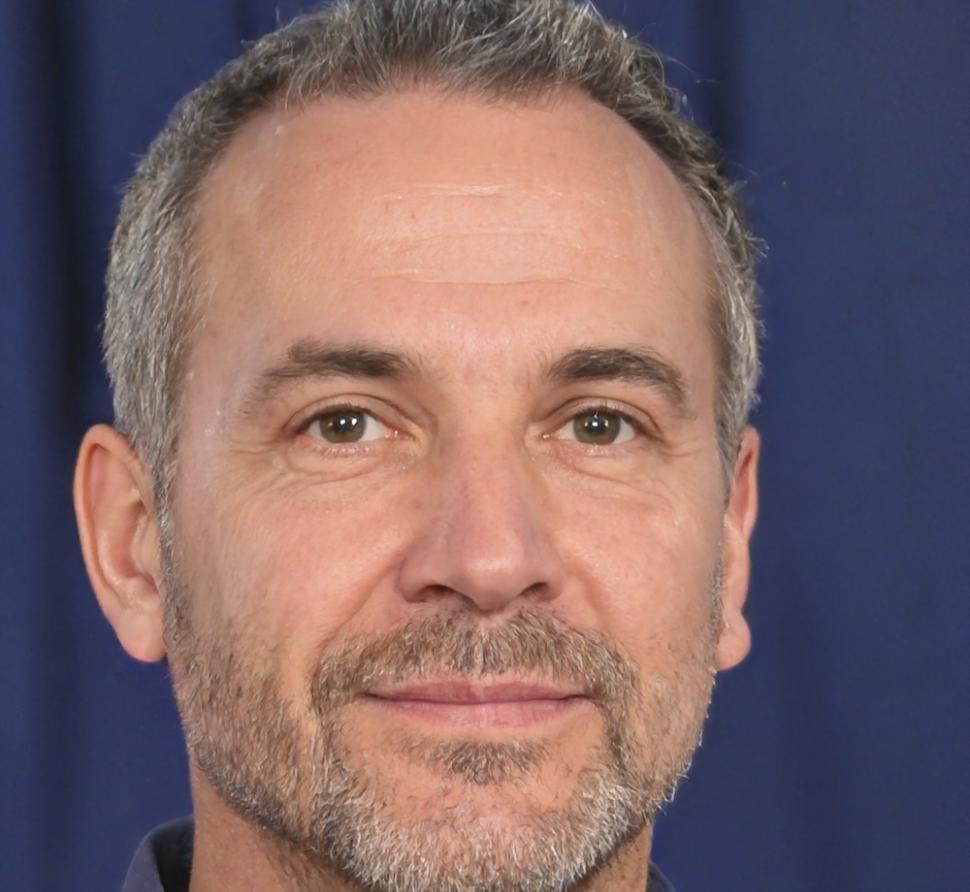
Kasper Møllgaard
Lead Instructor, Computational Biology Track
I spent eight years in academic genomics research before moving into biotech. Published papers on cancer genomics, worked with clinical sequencing data, and eventually ended up building bioinformatics infrastructure for a drug discovery company.
What I learned: the computational skills matter more than the specific biology. Understanding algorithm complexity, writing efficient code, and knowing when to use which tool—these transfer across domains. The biological knowledge you pick up as needed.
Our teaching philosophy reflects that. We don't try to make you an expert in every area of biology. We give you the computational foundation and teach you how to learn the biology when a project requires it. That's how the field actually works.
Program Structure and Investment
Six months, part-time schedule. You'll need about 20 hours per week—more during project weeks, less during foundational modules. Classes run evenings and weekends to accommodate working professionals.
Foundation Track
- First three modules (12 weeks)
- Core algorithms and ML fundamentals
- Weekly live sessions and code reviews
- Access to computational resources
- Mini-projects with real datasets
- Career guidance sessions
Complete Program
- All six modules (24 weeks)
- Full curriculum including structural biology
- Individual capstone project guidance
- Guest lectures from industry practitioners
- Portfolio development support
- Job search strategy workshops
- Six months post-program community access
Next Cohort Begins March 2026
We're accepting applications now for our spring cohort. Class size is limited to 18 students—small enough for individual attention, large enough for collaborative projects and diverse perspectives.
Application Deadline
February 15, 2026. Rolling admissions, so earlier is better. We typically fill spots by early February.
Prerequisites
Programming experience (Python or similar). Basic statistics. Biology background helpful but not required. We assess fit through a technical interview.
Start Date
March 10, 2026. Orientation week followed by intensive fundamentals module. Program runs through September 2026.